
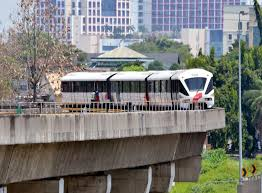
The LRT Kelana Jaya Line has long been the lifeline of Klang Valley’s public transportation network. With millions of commuters depending on it every month, the line has evolved from a simple mass-transit system into a symbol of mobility, resilience, and urban progress. As Kuala Lumpur continues to grow, the Kelana Jaya Line remains central to the region’s daily rhythm — from office workers rushing to the CBD to students shuttling between suburbs.
This article dives deep into the line’s significance, coverage, reliability, upgrades, and what the future may hold for one of Malaysia’s most important rail corridors.
What Is the LRT Kelana Jaya Line?
The LRT Kelana Jaya Line is an automated light rapid transit system operated by Rapid Rail under Prasarana Malaysia Berhad. Known for its driverless technology and consistent train intervals, the line has been a transportation mainstay since the late 1990s.
It stretches from Gombak in the north to Putra Heights in the south, cutting across Kuala Lumpur’s busiest districts and Selangor’s fastest-growing suburbs. Throughout its route, the line links residential zones, commercial hubs, education centres, and transit interchanges.
Key Facts About the Kelana Jaya Line
- Total Length: 46.4 km
- Total Stations: 37
- Travel Time End-to-End: Approximately 75–80 minutes
- Operating Hours: Typically 6.00 AM – 12.00 AM
- Train Technology: Fully automated, driverless
- Major Interchanges: KL Sentral, Masjid Jamek, Putra Heights
These numbers highlight why the Kelana Jaya Line is often described as the “spine” of Klang Valley’s public transit.
Why the LRT Kelana Jaya Line Is So Important
1. Connects Key Economic Hubs
The Kelana Jaya Line seamlessly links high-traffic commercial zones such as:
- KLCC
- KL Sentral
- Damansara
- Subang Jaya
- Gombak
For thousands of workers, the line represents punctuality and accessibility without the need to face Kuala Lumpur’s notoriously heavy traffic.
2. Reduces Road Congestion
With the Klang Valley’s population surpassing eight million, road congestion remains one of the region’s greatest challenges. The Kelana Jaya Line helps ease the load by offering a fast alternative to car travel. During peak hours, the line can move far more people than any major highway lane.
3. Supports Transit-Oriented Development
The line has influenced property hotspots, retail growth, and suburban expansion. Areas such as Ara Damansara, Subang Jaya, and Putra Heights have flourished thanks to their LRT accessibility — a classic example of transit-oriented urban planning.
4. Integrates Seamlessly With Other Rail Networks
The Kelana Jaya Line connects with:
- MRT Kajang Line
- MRT Putrajaya Line
- LRT Ampang/Sri Petaling Line
- Monorail
- KTM Komuter
- ERL / KLIA Transit
This integration makes multi-line journeys smoother, enabling commuters to switch across networks with minimal delays.
How the Line Performs Daily: Frequency, Capacity, and Reliability
Peak-Hour Frequency
During morning and evening rush hours, trains typically arrive every 2–4 minutes, one of the fastest intervals among local rail lines. Off-peak frequency ranges between 5–8 minutes.
Passenger Handling Capacity
A typical six-car train can carry more than 700 passengers, ensuring the line can handle high-density urban travel — especially in KLCC, KL Sentral, and Masjid Jamek.
Reliability and Challenges
Although known for dependability, the line faces challenges:
- Ageing assets requiring periodic upgrades
- Occasional service disruptions
- Increasing passenger load during peak seasons
However, ongoing modernization efforts continue to improve service quality.
Major Upgrades and Improvements Over the Years
1. New Trains and Fleet Expansion
The introduction of newer “KLAV” (Kuala Lumpur Additional Vehicles) trains improved:
- Energy efficiency
- Interior comfort
- Passenger capacity
- Safety and signalling
These trains also include wheelchair-friendly spaces, dynamic route maps, and better ventilation.
2. Station Modernization
Several stations along the route have undergone:
- Lift and escalator refurbishments
- Better lighting
- Upgraded ticketing kiosks
- Enhanced CCTV and security features
- Digital signages
These upgrades aim to improve commuter experience and accessibility.
3. Track and Signalling Enhancements
Rapid Rail has continuously invested in:
- Traction power system updates
- Communication-based train control
- Preventive maintenance schedules
These efforts ensure smoother rides and minimise downtime.
Notable Stations Along the Kelana Jaya Line
KLCC
Probably the most iconic stop, KLCC station gives direct access to:
- Suria KLCC
- Petronas Twin Towers
- KLCC Park
- Convention centres
It’s one of the busiest transit points for both tourists and office workers.
KL Sentral
Malaysia’s main transportation hub:
- Connects to MRT, KTM, ETS, and KLIA Express
- Serves as the gateway to intercity and airport travel
- Surrounded by office buildings, transit hotels, and shopping complexes
Masjid Jamek
A crucial interchange between the Kelana Jaya Line and the Ampang/Sri Petaling Line. Its geographic centrality makes it one of the key switching points for daily commuters.
Kelana Jaya
A major park-and-ride hub that serves surrounding neighbourhoods and remains the gateway to Selangor’s busiest districts.
Putra Heights
The southern terminus offering interchange with the Ampang/Sri Petaling Line, expanding the commuter catchment area beyond Subang and Puchong.
How the LRT Kelana Jaya Line Impacts Everyday Life
1. Students and Education Hubs
Many riders rely on the line to reach universities and colleges such as:
- Universiti Malaya
- UCSI (via connecting buses)
- INTI Subang
- Colleges around KLCC and KL Sentral
Reliable transport allows students to save on travel costs while maintaining punctuality.
2. Office Commuters
For white-collar workers, the line often determines work-hour mobility:
- Avoid traffic jams
- Reach CBD faster
- Predictable arrival times
These factors make the line a practical alternative to private transport.
3. Tourists and Shoppers
With stops at KLCC, Pasar Seni, and KL Sentral, tourists can explore major attractions seamlessly.
4. Suburban Households
Families living in Subang, Ara Damansara, and Putra Heights enjoy better connectivity thanks to local feeder buses linking residential areas to key LRT stations.
For additional perspectives on Malaysia’s public transport developments and commuter trends, you may also explore https://llc.us.com/.
Common Issues Faced by Commuters (and How They’re Managed)
Crowding at Peak Hours
Queue management, platform announcements, and additional trains help reduce bottlenecks.
Service Interruptions
In cases of unexpected disruptions, Rapid KL often deploys:
- Free shuttle buses
- Real-time social media updates
- Rerouting guides for passengers
Escalator and Lift Downtime
Station upgrades aim to extend equipment lifespan and ensure better reliability.
Future Plans and Expansion Possibilities
While no immediate extensions have been officially confirmed, urban planners frequently explore:
- Integration with future MRT lines
- Increased train frequency
- Enhanced last-mile connectivity
- More park-and-ride facilities
These improvements may further cement the line’s role in shaping Greater Kuala Lumpur’s mobility future.
FAQs About the LRT Kelana Jaya Line
Is the Kelana Jaya Line fully automated?
Yes. It uses driverless, fully automated trains controlled by a central system.
What time does the first train start?
Most stations begin operations around 6.00 AM, though exact times vary slightly by station.
Can I use cashless payment?
Yes. Touch ‘n Go, MyRapid concession cards, and cashless tokens are supported.
Is it safe for solo travellers?
Absolutely. Stations are equipped with CCTV, uniformed staff, and emergency call points.
Conclusion: The Kelana Jaya Line Will Remain a Pillar of Urban Mobility
The LRT Kelana Jaya Line is more than just a train route — it’s the heartbeat of Kuala Lumpur’s daily movement. Its reach, efficiency, and continuous upgrades ensure it remains a dependable choice for commuters from all walks of life. As the Klang Valley grows, the line will continue evolving to meet rising demand.
If you’re planning your commute, exploring KL, or considering living near an LRT station, the Kelana Jaya Line offers a reliable, practical, and well-connected way to move across the city.